私、"はやぶさ"の話も好きですが、"HTV"はそれ以上に好きです。
I like stories about “Hayabusa,” but I like “HTV” even more.
正式名称は H-II Transfer Vehicle。日本語では「宇宙ステーション補給機」と呼ばれています。
Its official name is H-II Transfer Vehicle. In Japanese, it is called the “Space Station Supply Vehicle.”
地上から打ち上げられ、地球をぐるぐる回り、秒速7.8kmという、正気とは思えない速度で飛びながら、国際宇宙ステーション(ISS)に数メートルの誤差で近づき、最後はロボットアームで「はい、どうも」とキャッチされ、食料、水、実験装置、予備部品を運び込みます。
Launched from the ground, it circles the Earth and flies at an almost insane speed of 7.8 km per second, approaches the International Space Station (ISS) within a margin of just a few meters, and is finally captured by a robotic arm—“thank you very much”—to deliver food, water, experimental equipment, and spare parts.
-----
以前、「新幹線大爆破」という映画についてお話しました。
Previously, I talked about the movie The Bullet Train.
新幹線を並列に走らせて、その間でバーナーのボンベを運び込むというシーンは、見所の一つです。時速100kmを超える新幹線を、寸分たがわず等速で走らせるのは、相当な技が必要です。
One of the highlights is the scene where Shinkansen trains run side by side while gas cylinders are transferred between them. Running Shinkansen trains at over 100 km/h in perfect parallel and at the same speed requires extraordinary skill.
これと同じようなことを、同じ軌道を秒速7.8km(時速28,080km)で飛ぶ物体同士でやっているだけでも、驚愕の技術と言えましょう。
Doing something similar with objects flying along the same orbit at 7.8 km per second (28,080 km/h) is, by itself, a staggering technological achievement.
だって、打ち上げ場所が日本で、それをISSを完全一致の軌道上に乗せるだけでも、気の遠くなるような緻密な制御が必要でしょうが、これを cm/秒という、人間の歩行速度以下の誤差 で同期させるというのが、「正気か」と思えるような技術です。
After all, just placing a spacecraft launched from Japan onto an orbit perfectly matching that of the ISS would require mind-bogglingly precise control, and synchronizing it with an error of only centimeters per second—slower than human walking speed—is the kind of technology that makes you ask, “Is this sane?”
しかも "HTV" は、これを 人の操縦なしの「完全自動」 でやります。
And “HTV” does all of this fully automatically, without any human piloting.
ただ、HTVは今のところ、地球→ISSへの一方通行の配送のみです。配送が終わったあとのHTVは、速度を落として地球に落下させて、大気で燃え尽きる運命にあります。
However, at present, HTV only performs one-way deliveries from Earth to the ISS. After completing its mission, it slows down, falls back toward Earth, and is destined to burn up in the atmosphere.
ですが、地球→ISSへの一方通行であっても、ここに「食料」等だけでなく、「人間」を乗せたら、片方向ではありますが、技術的には有人ロケットが実現できる――と思いませんか?
Even so, if you put not only “supplies” but also “humans” on board—even for a one-way trip—wouldn’t that technically amount to a crewed rocket?
-----
で、ちょっと調べてみたんですよ。
So I decided to look into it a bit.
なんで、「我が国は、有人ロケットをやらないのか?」答えは、凄く明解でした。
Why doesn’t our country pursue crewed rockets? The answer was obvious.
(1) 人を乗せるということだけで、多重の安全対策が必要となり、(私のイメージでは予算が)10~100倍に跳ね上がる
(1) Simply carrying people requires multiple layers of safety measures, causing the budget (in my image) to jump by a factor of 10 to 100.
(2) 有人ロケットは、すでに米・露・中が、山ほどやっている
(2) Crewed rockets are already being done extensively by the U.S., Russia, and China.
気象衛星、測位衛星、地球観測衛星、通信衛星(当然、防衛目的も入りますが)――「なくなると社会が困るもの」ではありますが、これらには、別段人間を乗せる必要はありません。
Weather satellites, positioning satellites, Earth-observation satellites, and communication satellites (which naturally include defense purposes)—these are all things society would suffer without, but none of them require humans onboard.
私は、これは実に合理的な判断だと思いますし、人間の命のコストを、HTVの精密制御の技術に突っ込む方が、人類に対する貢献も高いと思います。
I think this is a highly rational decision, and that investing the cost of human lives into HTV’s precision-control technology contributes more to humanity.
『有人ロケット』で世界にマウントを取りたい国には、好きなようにやってもらいましょう―― もちろん、将来のフロンティアとして、月や火星への移住などもスコープには入れるべきですが、私たちは、「安全」や「安心」の分野で支えることで、十分に国際貢献、というか人類貢献をしているはずです。
Countries that want to show off to the world with “crewed rockets” can do as they please—of course, future frontiers like lunar or Martian settlement should be within scope. Still, by supporting safety and security, we are already making sufficient international, or rather human, contributions.
私たちが、「有人」で超大国に張り合う必要なんか、ないんですよ。
There’s no need for us to compete with superpowers in “crewed” missions.
-----
それと、私、『宇宙空間に行きたい』と思ったことがありません。
By the way, I’ve never wanted to “go to outer space.”
冷静に考えて下さい ―― 重力下で生きてきた人間が、いきなり無重力空間に行ったら、どうなるかを。
Think calmly—what would happen if a human who has lived under gravity suddenly went into a zero-gravity environment?
――賭けてもいいですけど、私、多分、宇宙船の中で吐き続けますよ(宇宙酔いで)。
—I’ll bet on it, but I’d probably keep vomiting inside the spacecraft (from space sickness).
たぶん、"地球は青い"どころか、私の胃液で汚された窓から見た地球は、"茶色の液体に汚された何か" に見えて、生涯トラウマになる――そういう確信があります。
Probably, instead of “the Earth is blue,” the Earth seen through a window smeared with my stomach acid would look like “something stained with brown liquid,” becoming a lifelong trauma—that’s my firm belief.
そんでもって、『もう、宇宙なんか嫌!帰る!!』って言っても、簡単には地球に帰ることもできません。
And even if I shouted, “I hate space! I want to go home!!” it wouldn’t be easy to return to Earth.
宇宙は当面、世界各国の知的・体力エリートたちの独占フィールドで、私は良いと思っています。そっちの方が、人類としてもメリットがあるでしょう。
For the time being, I think it’s fine for space to remain the exclusive field of intellectual and physical elites from around the world—that’s probably better for humanity.
金持ちたちが、億単位の金を払って、10分間程度の無重力で遊ばせておくのでも構いません。使い道のない金を使わせる機会としては、悪い体験ではないでしょう。(あの程度で、『宇宙に行った』マウントを取れるなら、取らせてあげましょう)
I don’t mind letting rich people pay hundreds of millions to play in zero gravity for about ten minutes. As an opportunity to make them spend money they don’t know what to do with, it’s not a bad experience. (If they can brag about “having gone to space” after that, let them.)
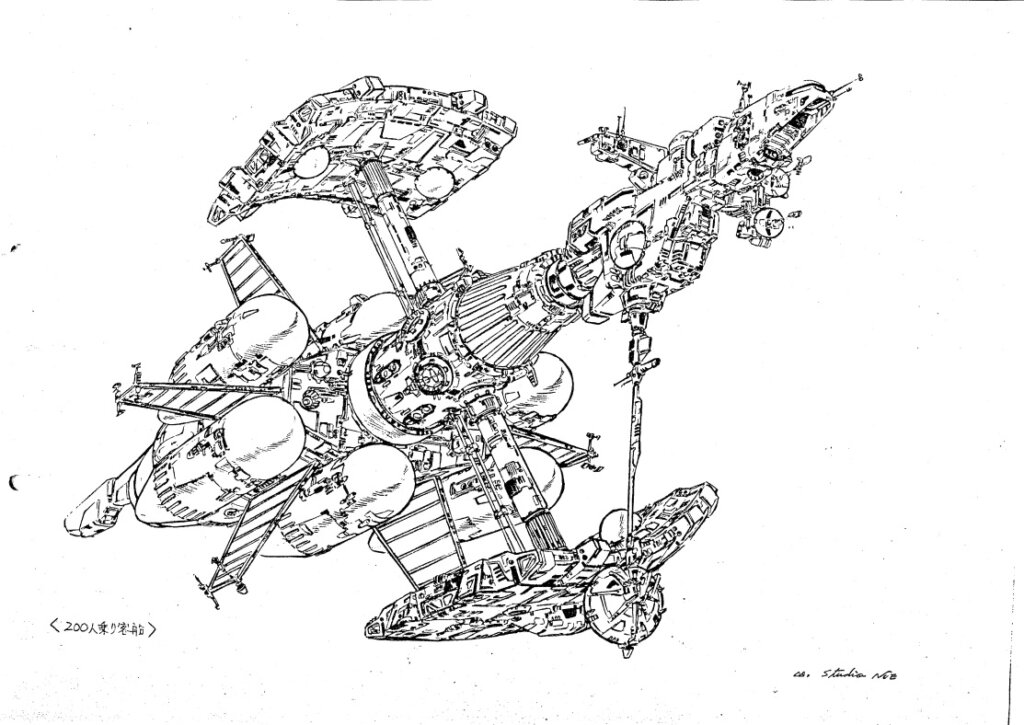
ただし、『さよならジュピター』に登場する、定期連絡船ホアンホウ号(客室部(居住区)を回転させることで人工重力を発生させている)のようなものが登場してきたら、宇宙旅行を考えてもいいです。
However, if something like the regular space liner Huang He from Sayonara Jupiter—which generates artificial gravity by rotating its passenger section—were to appear, I might consider space travel.

-----
H3ロケットの打ち上げ失敗が世間を騒がせていますが――『あんまりガタガタ言うな』『ちょっと黙っていろ』と思っています。
The failure of the H3 rocket launch is causing a stir, but I find myself thinking, “Stop making such a fuss,” and “Just be quiet for a moment.”
宇宙を使ったシステムの貢献度を、費用対効果で冷静に計算してみて下さい。
Please calculate the contribution of space-based systems to cost-effectiveness.
■ 気象衛星がなければ、台風も豪雨も「来てから慌てる」社会に逆戻りします。
■ Without weather satellites, society would revert to panicking only after typhoons or torrential rains arrive.
■ 測位衛星が止まれば、物流も建設も金融の時刻同期も一斉に狂います。
■ If positioning satellites stopped, logistics, construction, and financial time synchronization would all go haywire at once.
■ 地球観測衛星がなければ、災害対応も環境管理も、現地に行ってから考えるしかありません。
■ Without Earth-observation satellites, disaster response and environmental management could only be considered after going on-site.
■ 通信衛星がなければ、災害時も有事も「つながらない」国になります。
■ Without communication satellites, the country would be unable to connect during disasters or emergencies.
これらは「あると便利」なのではなく、なくなった瞬間に社会が壊れる装置です。人は乗っていないし、映像も地味だし、英雄も出てきません。でも、防げる被害額と支え続ける経済規模を考えれば、費用対効果は桁違いです。
These are not merely “convenient to have” systems; they are devices whose absence would cause society to collapse instantly. No people ride them, the visuals are plain, and no heroes appear—but considering the damage they prevent and the scale of the economy they support, their cost effectiveness is extraordinary.
ロケットの一度の失敗に騒ぐ前に、それが何十年分の社会安定を支えるかを、計算してみて下さい。
Before making a fuss over a single rocket failure, try calculating how many decades of social stability it supports.
まあ、H3ロケットは、宇宙ビジネスにおける商用目的の競争ツールという観点もありますので、単なる社会インフラという位置づけだけでは、足りないかもしれませんが。
That said, the H3 rocket also functions as a competitive commercial tool in the space business, so viewing it solely as social infrastructure may be insufficient.
----
ともあれ、
Anyway,
『金の話でエンジニアたちを追い詰めるんじゃねえ』―― そういう観点で宇宙開発を語る奴は、その内容に関わらず、すべて私(江端)の敵です。
“Don’t corner engineers with money talk”—anyone who discusses space development from that perspective, regardless of content, is my (Ebata’s) enemy.
『200億円も2兆円も、同じように「たくさんのお金」』と思考停止するのをやめて、「億割り」をしてみると、ちょっとお金への見方が変わるかもしれません ―― 大抵の場合「腹が立つ方向」になりますが。